
Kashmir Tour Guide 2026: The Definitive Travel Manual
Kashmir in 2026 has evolved into a premier year-round destination, offering a sophisticated blend of natural beauty and modernized infrastructure. This guide, provided by Emaar Tour and Travels, is designed to give you the most accurate, up-to-date information for planning your journey to the valley. With the completion of major connectivity projects and the expansion of offbeat tourism, 2026 is the ideal time to experience the paradise on earth.
Best Time to Visit Kashmir: Seasonal Analysis
Kashmir offers four distinct seasons, each providing a unique sensory experience.
| Season | Best Months | Highlight Experiences |
| Spring | March to April | Tulip Festival, Almond blossoms (Badam Vaer), refreshing greenery. |
| Summer | May to August | Lush green meadows, pleasant weather, trekking, and white-water rafting. |
| Autumn | September to November | Golden Chinar leaves, Saffron harvesting in Pampore, apple picking. |
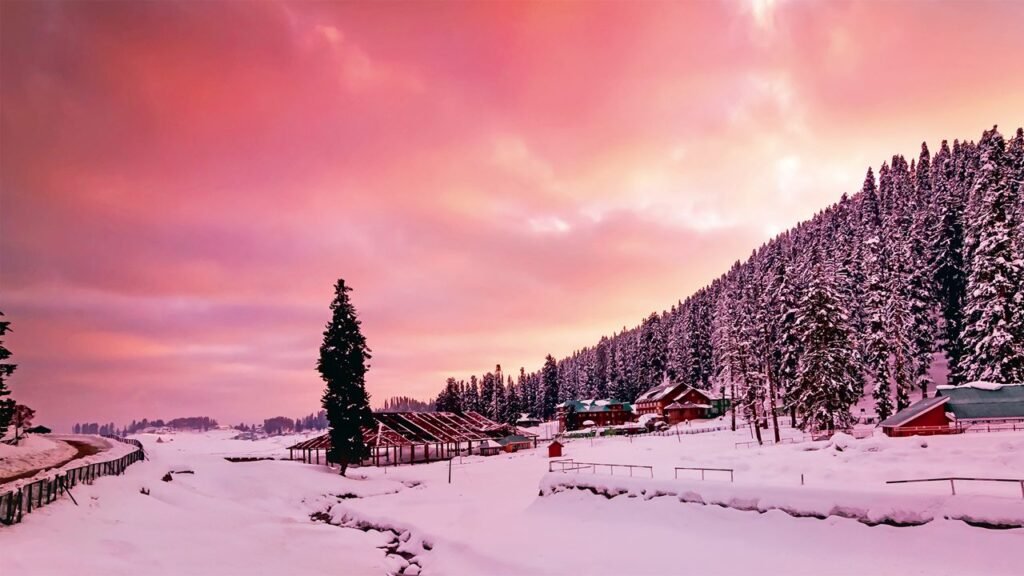
| Winter | December to February | Heavy snowfall, skiing in Gulmarg, frozen Dal Lake, cozy houseboat stays. |
The 2026 Tulip Festival
The Indira Gandhi Memorial Tulip Garden, the largest in Asia, is expected to host the 2026 Tulip Festival from March 19 to April 20. Visitors will witness over 1.7 million tulips across 73 varieties. Early booking for this period is essential due to high demand.
Core Destinations: The 2026 Circuit
SRINAGAR: The Summer Capital
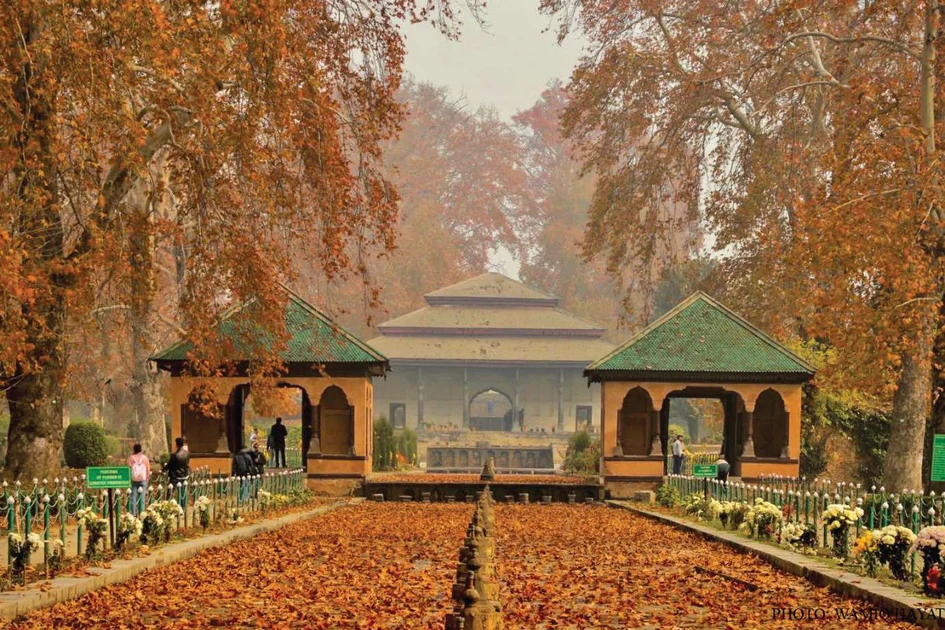
Srinagar remains the central hub for any Kashmir itinerary.
- Dal and Nigeen Lakes: Stay in a traditional heritage houseboat. Nigeen Lake is recommended for those seeking a quieter, more serene environment.
- Mughal Gardens: Visit Nishat Bagh and Shalimar Bagh during the early morning hours to avoid crowds.
- Old City Heritage: Explore the historic Jamia Masjid and the architectural beauty of the old city markets.
GULMARG: The Adventure Capital
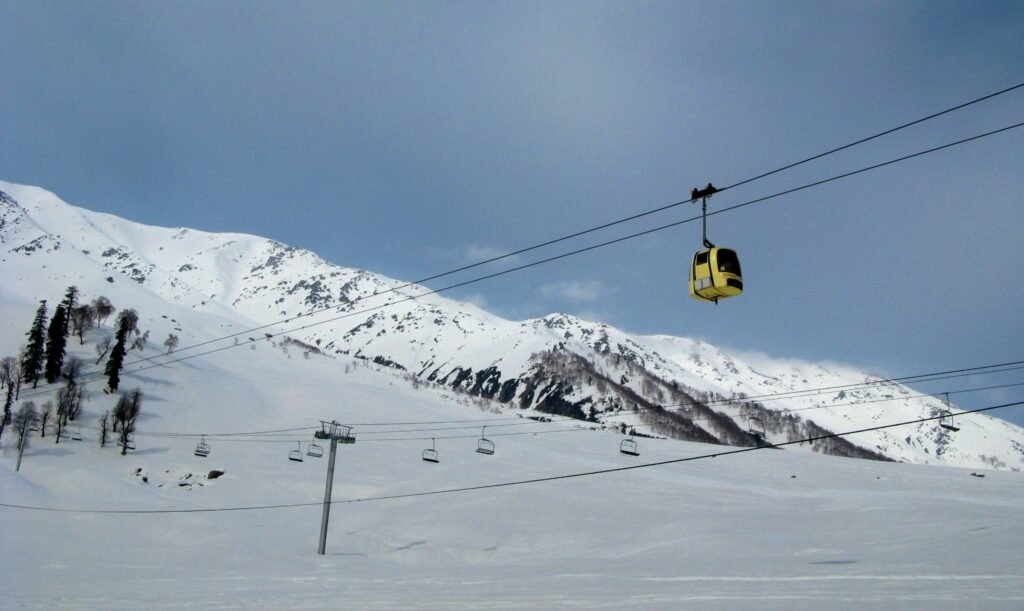
Located at 2,650 meters, Gulmarg is Asia’s premier winter sports destination.
- Gondola Ride: Pre-booking for Phase 2 (Apharwat Peak) is now mandatory at least 48 hours in advance due to increased demand.
- Activities: In winter, it offers world-class skiing and snowboarding. In summer, the Gulmarg Golf Course becomes a lush green landscape.
PAHALGAM: The Valley of Shepherds
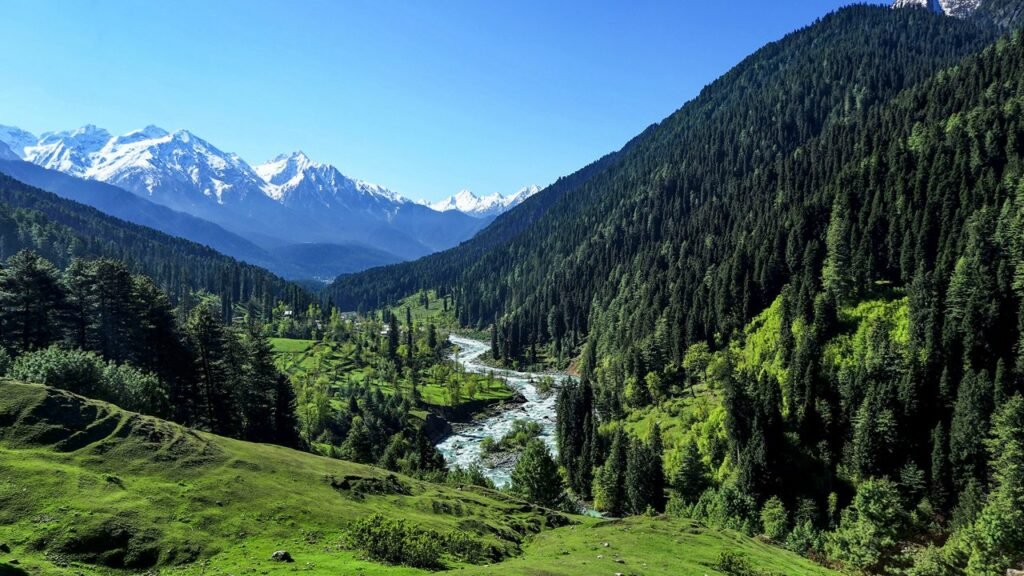
Pahalgam is favored for its tranquil riverside views and pine forests.
- Aru and Betaab Valleys: These iconic valleys offer some of the most cinematic landscapes in the region.
- Lidder River: Ideal for trout fishing and white-water rafting during the summer months.
SONAMARG: The Meadow Of Gold
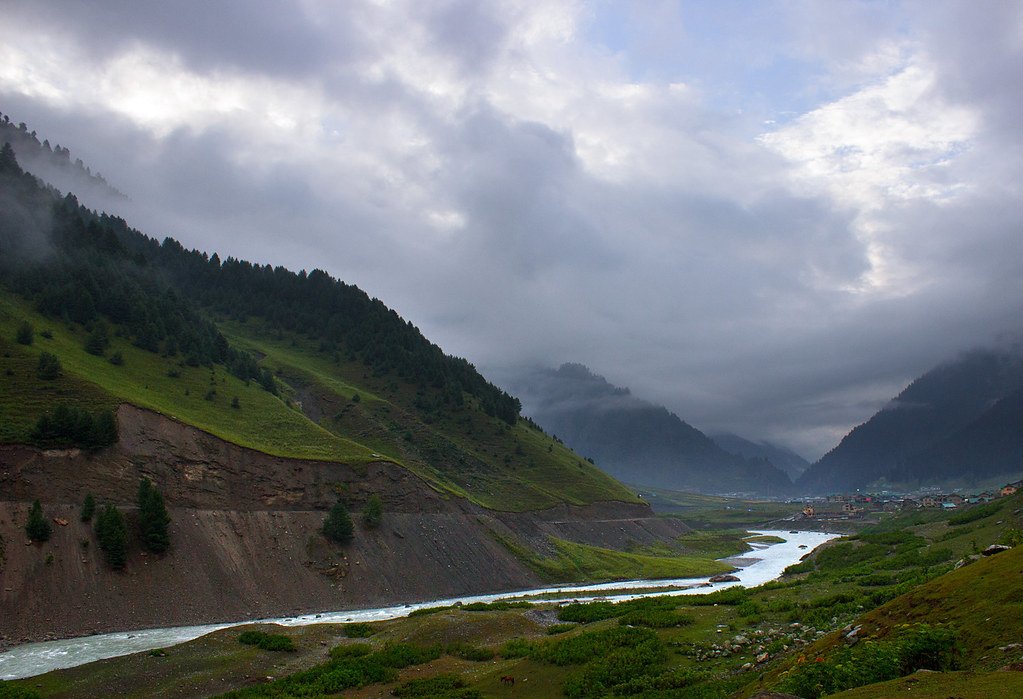
With the completion of the Z-Morh tunnel, Sonamarg is now an all-weather destination.
- Thajiwas Glacier: Accessible via a short trek or pony ride, offering snow even in the height of summer.
- Gateway to Ladakh: A critical transit point for those traveling further toward Leh.
Frontier Tourism: New Offbeat Gems
In 2026, the focus has shifted toward newly accessible and sustainable destinations in North Kashmir.
- Gurez Valley: Located near the Line of Control, this valley offers a glimpse into the unique Dard-Shina culture. The government has removed permit requirements for domestic Indian tourists, making its pristine landscapes and the Habba Khatoon peak more accessible than ever.
- Bangus Valley: A massive alpine meadow in Kupwara that rivals Gulmarg in beauty but receives a fraction of the tourists. It is perfect for camping and solitude.
- Lolab Valley: Famous for its fruit orchards and the ancient Kalaroos caves, offering a rural and authentic Kashmiri experience.
Infrastructure and Connectivity Revolution
The 2026 travel experience is defined by significantly improved connectivity.
The USBRL Project
The Udhampur-Srinagar-Baramulla Rail Link (USBRL) project has reached full maturity.
- Direct Train Service: Direct trains now connect the Kashmir Valley with the national rail network.
- Chenab Bridge: Travelers can cross the world’s highest railway arch bridge, standing 359 meters above the riverbed.
- Vistadome Coaches: The introduction of Vistadome services on the Baramulla-Katra route offers 360-degree panoramic views of the Himalayan landscape and engineering marvels like the T-49 tunnel.
Road and Air Travel
- Tunnels: The Z-Morh and Chenani-Nashri tunnels have ensured all-weather reliability on routes that were previously prone to closure.
- Aviation: Srinagar International Airport has seen a significant increase in direct flight frequencies from major Indian cities, accommodating the 2026 tourism surge.
Critical Logistics for Travelers
Mobile Connectivity
A vital point for travelers: Outside prepaid SIM cards do not work in Jammu and Kashmir. You must either have a postpaid connection or purchase a local SIM card upon arrival at the Srinagar airport. While 5G is available in urban centers, remote valleys may have patchy signals.
Financial Systems
While UPI and digital payments have seen mass adoption in Srinagar, cash remains essential in the valleys and for local services like pony rides. Travelers are advised to carry at least 40 percent of their budget in cash.
Taxi Union System
Local transportation is governed by regional taxi unions. Outside vehicles are often restricted from local sightseeing in places like Pahalgam. It is recommended to use union-certified vehicles for inner-valley travel to ensure adherence to official rate charts.
| Transit Route | Vehicle Type | Official 2026 Union Rate |
| Srinagar to Gulmarg (Return) | Sedan | ₹2,800 – ₹3,500 |
| Srinagar to Pahalgam (Return) | SUV | ₹4,500 – ₹5,500 |
| Srinagar to Sonamarg (Return) | Sedan | ₹3,000 – ₹4,000 |
Suggested Itinerary Frameworks
5-Day Essential Circuit
- Day 1: Arrival in Srinagar, houseboat check-in, and sunset Shikara ride.
- Day 2: Mughal Gardens tour and heritage walk in the old city.
- Day 3: Day trip to Gulmarg with Gondola ride to Phase 2.
- Day 4: Day trip to Pahalgam, exploring Betaab Valley.
- Day 5: Local souvenir shopping and departure.
7-Day Deep Immersion
- Day 1-2: Srinagar exploration and local cultural immersion.
- Day 3-4: Gulmarg stay for skiing or alpine trekking.
- Day 5: Transfer to Pahalgam with an overnight stay in a riverside cottage.
- Day 6: Excursion to Sonamarg or the offbeat Doodhpathri.
- Day 7: Final reflections in Srinagar and departure.
Conclusion
Firstly, The 2026 tourism era in Kashmir is defined by unprecedented accessibility and a renewed focus on the valley’s diverse landscapes. Moreover, by combining modernized rail travel with traditional hospitality, Kashmir offers an experience that is both safe and soul-stirring. In addition Emaar Tour and Travels is dedicated to providing the local expertise needed to navigate this new era. Whether you are seeking adventure on the slopes of Gulmarg or serenity on the waters of Dal Lake, the paradise on earth is ready for you.